

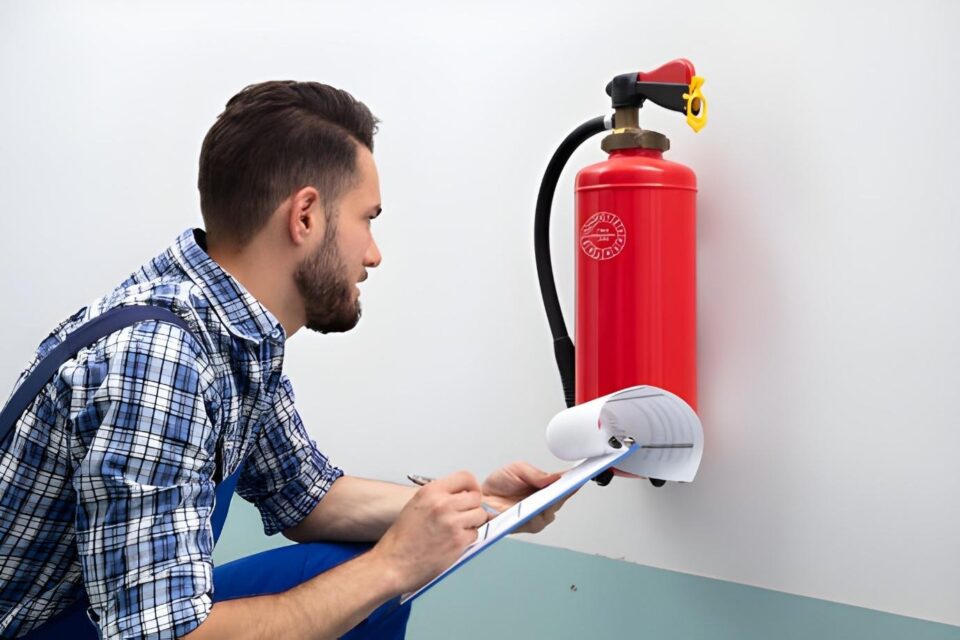
Commercial properties are complex operating environments, and a combination of systems, electrical and mechanical equipment, and life safety systems operates in harmony to ensure the safety of people.
Even the modernized fire protection systems need regular maintenance to work well. And even a frivolous deviation, a faint odor, or even a glance of alarm can be the indication of a fire-protective rig being just as bad as the treatment it is given.
Why Fire Inspection Is Important for Every Business
The basis of the building’s safety strategy is fire inspections. Considering the experience of such companies as DW Security, it is obvious that constant reviews are obligatory. In particular, DW Security emphasizes the need to conduct active monitoring and regularly check alarms, detectors, and control panels. The approach they use capitalizes on a fact most people tend to ignore but is very basic: even well-constructed systems can collapse at any time.
By such inspections, one makes sure that each part (emergency lighting, extinguishers, panels, suppression equipment, etc.) is properly functioning. Such systems may silently run in the background of most business premises, and the absence of observable issues may lead to complacency. Fire checks help to focus on the life-saving systems of the people and properties that save lives every day.
What a Comprehensive Fire Inspection Involves
Normal inspection is much more elaborate than a walk-through. It assesses the entire working environment and the safety levels at various levels within a building.
The primary dimensions tend to be:
- Alarm and Detection Systems: Verification of smoke alarms, thermostats, alarm control systems, and warning devices.
- Fire Extinguishers and Suppression Units: Checking the valve conditions, charge levels, and location.
- Sprinkler Systems: Inspection of the pipes, valves, pressure, and clearance surrounding the sprinkler heads.
- Emergency and Exit Lighting: Inspection of battery health, consistency of light, and sign visibility.
- Control and Monitoring Equipment: It is necessary to ensure that connections, annunciators, and communication pathways are operational.
These measures will ensure that the building undergoes a near-full diagnostic review before the problem is discovered, rather than during an emergency.
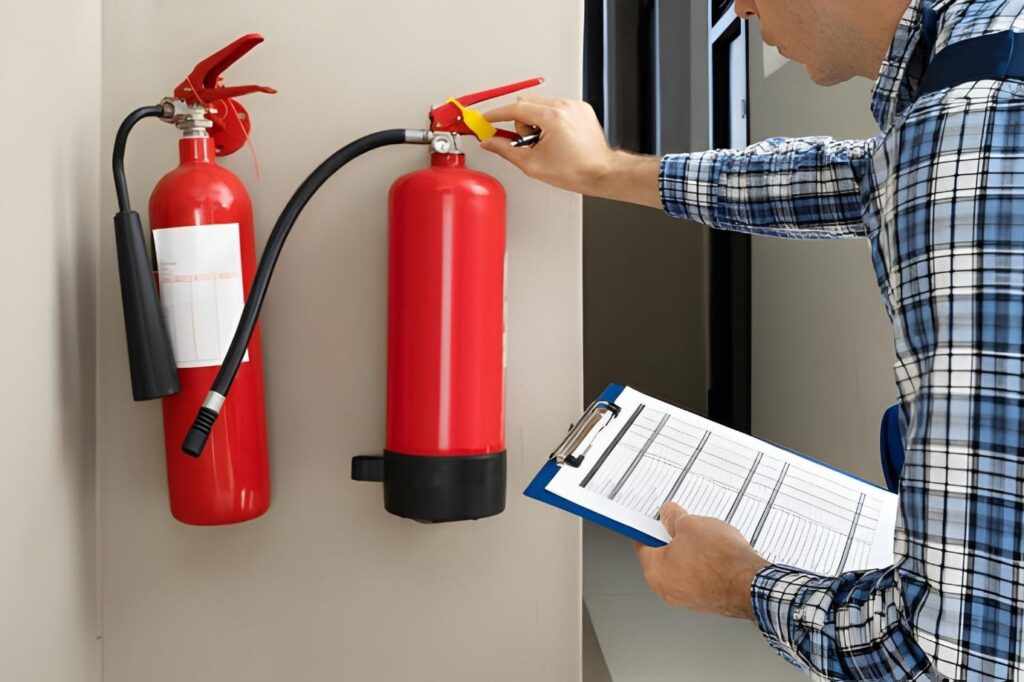
The Hidden Risks of Neglecting Safety Systems
Commercial buildings are ecological systems. When one system fails, e.g., a blocked vent, a failed sensor, or a corroded valve, other systems need to compensate. Those layers of redundancy can be breached without inspections as well.
Many failures develop quietly: dimming emergency lights, unnoticed rust inside a valve, weakened batteries in alarm circuits. These delicate signs rarely draw attention without a structured inspection process.
Periodic reviews convert these risks into actionable insights. Even a minor modification, repair, or change to parts can eliminate serious faults that could otherwise cause significant loss or pose a threat to the occupancies.
Creating a Strong Culture of Building Safety
An obvious inspection report provides the world with more than procedural security; it gives assurance that a building is ready in the event of an unforeseen event. It is essential to ensure that any property, new or old, is safe, stable, and protected through regular inspections, maintenance, and professional supervision, as fires provide no warning.
