

Key Takeaways:
- Traditional herbal medicine remains integral to modern wellness practices worldwide.
- Ancient remedies are being validated by contemporary scientific research.
- Integrating traditional and modern medicine offers a holistic approach to health.
Table of Contents:
- Introduction
- Global Herbal Practices in Daily Life
- Scientific Validation of Traditional Remedies
- Integrating Traditional and Modern Medicine
- Cultural Reconnection and Heritage
- Modern Resurgence of Herbal Practices
- Educational Initiatives Promoting Herbal Knowledge
- Conclusion
Introduction
Many are turning to natural remedies for more holistic and sustainable health solutions in today’s fast-paced world. This shift reflects a growing desire to reconnect with healing traditions prioritizing the body’s natural rhythms and long-term wellness. For centuries, traditional herbal medicine has stood at the crossroads of health and culture, passed down through generations and deeply woven into daily life across the globe. As modern wellness evolves, there has been a significant revival in interest, scientific inquiry, and public acceptance of these time-honored approaches. Today, traditional herbal medicine provides more than simple folk remedies; it offers a holistic path to well-being that resonates with those seeking balance between ancient wisdom and modern knowledge.
The increasing integration of herbal traditions into mainstream wellness reflects a growing appreciation for natural, sustainable health practices. Traditional plant-based solutions are becoming indispensable pillars of modern health, from clinical settings to personal self-care routines.
Global Herbal Practices in Daily Life
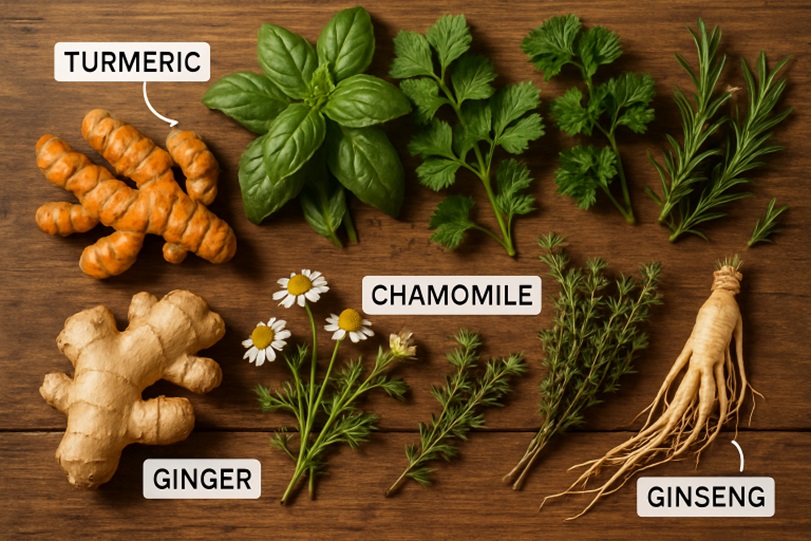
Traditional herbal practices form the backbone of everyday health rituals in communities worldwide. In Indonesia, the aromatic jamu—brewed from roots, spices, and medicinal plants—is cherished for its reputed immune-boosting and anti-inflammatory benefits. Similarly, Ayurveda from India remains a foundation for millions, teaching that herbs like ashwagandha, tulsi, and turmeric can be incorporated into food and drink to foster daily resilience.
Across Africa, remedies derived from local flora help families manage common ailments, from colds to digestive issues. In Europe, herbal teas, ranging from calming chamomile to invigorating nettle, continue as a daily ritual. Such diversity demonstrates the universality and uniqueness of herbal wisdom, adapting to local cultures and climates while serving shared goals of wellness and longevity.
Scientific Validation of Traditional Remedies
Modern research has begun to catch up with what many traditional healers have known for generations: many herbs possess genuine therapeutic potential. For example, a growing body of scientific literature suggests that turmeric’s curcumin compound fights inflammation and oxidative stress, two causes of chronic illness. Similar validation has emerged for herbs such as ginger, which is used worldwide for its digestive and anti-nausea effects, and ginseng, which is linked to improved energy and cognitive function.
This scientific interest bridges the wisdom of the past and the rigor of present-day research. The efforts aren’t just academic—they often lead to the standardization and quality control necessary for safe usage in today’s healthcare systems.
Integrating Traditional and Modern Medicine
The union of traditional herbal medicine with conventional medical practices is gaining traction within healthcare systems globally. In Taiwan, for example, the government encourages a dual approach: conventional pharmaceuticals and herbal prescriptions are covered by insurance, leading to better treatment compliance and outcomes. This integrative model is echoed in countries like China, India, and increasingly, the United States, where hospitals and wellness clinics now offer complementary herbal consultations.
Holistic Health Solutions
Patients benefit from this integrative approach as they receive care that addresses both symptoms and underlying imbalances, drawing on the strengths of both traditions. Physicians are increasingly aware that synergy between herbal and conventional solutions can lead to more effective, personalized care, especially for conditions such as pain management, stress, and chronic disease.
Cultural Reconnection and Heritage
Across continents, there is a resounding call to reconnect with ancestral knowledge and practices. Many communities are rediscovering and revitalizing herbal traditions, safeguarding them from extinction and celebrating their unique contributions to identity and community cohesion. This movement is obvious among Indigenous peoples and diaspora communities, where harvesting, preparing, and sharing herbal remedies strengthen generational bonds and preserve oral histories.
Heritage as Wellness
Cultural reconnection goes beyond nostalgia; it’s about resilience and empowerment. Learning about and practicing traditional remedies gives individuals agency in their health journeys and affirms a broader definition of wellness that includes mind, body, and spirit.
Modern Resurgence of Herbal Practices
Today’s wellness industry is experiencing a surge in consumer curiosity and demand for natural remedies. Clever marketing and increasing global health awareness have fueled the popularity of herbal teas, supplements, essential oils, and plant-based skincare. People are drawn to products labeled “natural” and “organic,” seeking alternatives to chemical-laden options. This shift aligns with trends in preventive healthcare, sustainability, and self-reliance.
The renewed appeal isn’t confined to retail shelves; DIY herbalism has gained traction, with people cultivating their medicinal gardens or participating in herbal workshops. As herbal medicine moves further into mainstream wellness, demand for quality, transparency, and education continues to grow.
Educational Initiatives Promoting Herbal Knowledge
Education lies at the heart of the herbal resurgence. Organizations like the Plant Wisdom Collective have provided free digital resources, practical guides, and virtual workshops that demystify herbal practice and make it accessible to new generations. These initiatives focus not just on the benefits of specific plants but also on sustainable harvesting, ethical sourcing, and preparing remedies safely and effectively.
These programs bring ancestral plant knowledge into classrooms, community centers, and digital platforms, empowering individuals to take informed health actions and promoting stewardship of natural resources.
Conclusion
Traditional herbal medicine continues to shape the landscape of modern wellness by connecting individuals with nature, culture, and evidence-based healing. Its influence grows stronger as science validates ancient knowledge, communities revive cherished traditions, and integrative models offer pathways to holistic well-being. By honoring this living legacy, modern health practices can offer preventive and therapeutic benefits and support a deeper, more connected experience of health that bridges the wisdom of the past and the innovation of the present.
